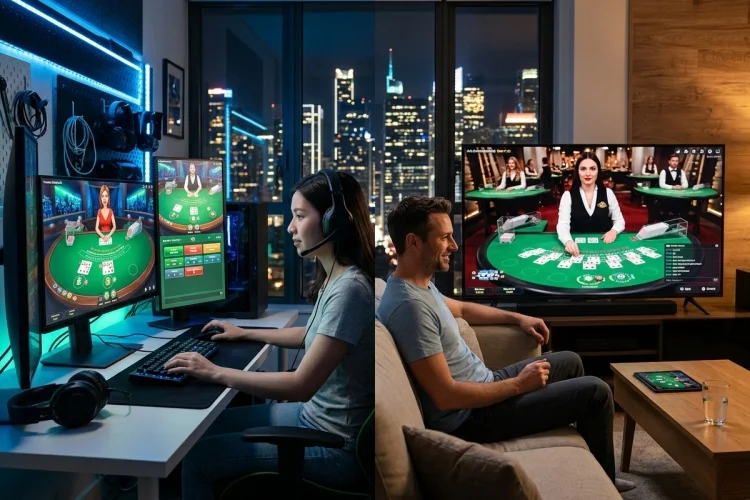
A live blackjack dealer turns over a card, and almost immediately its value appears digitally on your screen. The same hand is also recorded by the gaming system, compared with your bet, and used to calculate the result.
That speed is possible because several technologies work together behind the video stream. Understanding How Optical Character Recognition Works helps explain the bridge between a physical casino table and an online interface.
OCR captures visible information from real-world gameplay and converts it into machine-readable data that casino software can process automatically.
What Is Optical Character Recognition?
Optical Character Recognition, usually shortened to OCR, is technology that converts information contained in an image into data a computer can understand.
In everyday applications, OCR might scan a printed document and transform the words into editable digital text. IBM describes OCR as automated data-extraction technology that converts text contained in images into machine-readable information.
Live casino systems apply the same general idea to gaming environments.
Instead of scanning an office document, the recognition system can analyse information captured from physical game equipment. In card games, for example, visual information associated with a card can be converted into digital game data.
This removes the need for a dealer to manually type every result into the system.
The Process Starts With the Physical Table
A live casino game is still built around real physical activity.
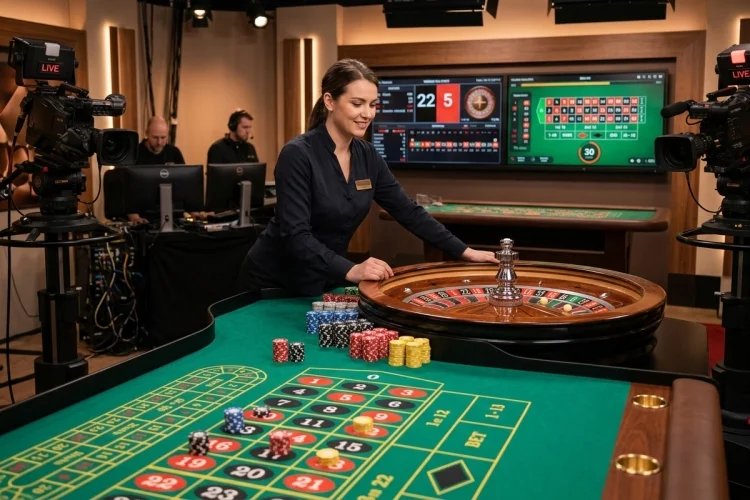
A dealer may shuffle cards, draw from a shoe, deal blackjack hands, or manage a baccarat table while cameras broadcast the action to players.
The video feed serves one purpose: allowing players to watch what is happening.
The gaming system also needs a structured digital version of those events.
Gaming Laboratories International explains that physical transactions in a live dealer environment, including dealt cards and roulette results, can be translated into data through OCR technology. That data allows the software interface to react to the real-world result.
This is the key role of OCR: turning something humans can see into something software can process.
Step One: Cameras Capture the Relevant Information
The recognition process begins with image capture.
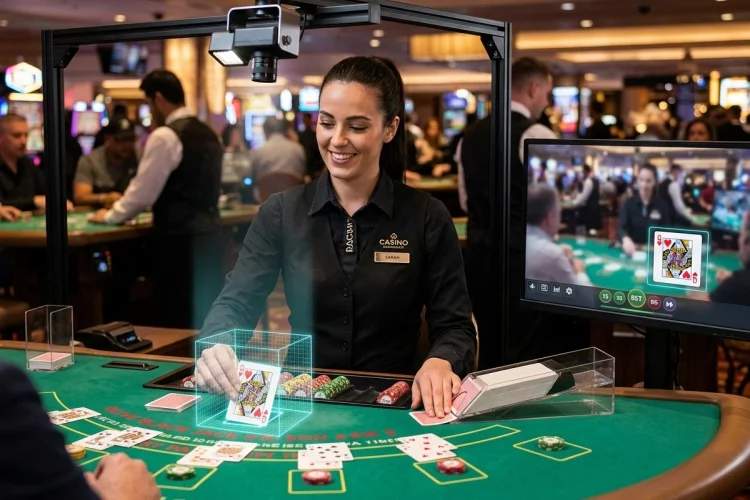
Cameras positioned around the gaming table provide clear views of relevant areas. Good lighting, stable positioning, and consistent equipment make visual recognition more reliable.
For a card game, the system needs to identify the information connected to the cards that have been dealt.
The recognition software does not need to understand the entire room like a human observer. It can focus on predetermined zones where important visual information is expected to appear.
This controlled environment is important.
A live casino studio is not simply someone streaming a card table from an ordinary room. The UK Gambling Commission requires regulated live dealer operations under its framework to use suitable equipment, documented procedures, supervision, video surveillance, and secure gaming areas.
Step Two: OCR Converts the Image Into Data
Once the visual information is captured, OCR software analyses it.
Traditional OCR identifies patterns representing letters or numbers. In a specialised live casino environment, the recognition layer is configured around a much narrower group of expected values.
Imagine a blackjack card showing a queen.
The system does not need to recognise thousands of possible words. It only needs to distinguish among the card ranks and other relevant visual information used by that particular game.
That limited set of possibilities can make specialised recognition more practical than completely unrestricted image analysis.
The physical action therefore becomes structured data such as a card rank or another recognised game event.
This conversion can happen fast enough that the player experiences the physical action and the digital interface as one syncronized event.
Step Three: The Game Software Receives the Result
Recognising the card is only part of the process.
The resulting data needs to reach the game platform.
Suppose the dealer exposes a ten-value card during blackjack. Once the event has been identified, the game system can associate that card with the correct seat and hand.
It can then update the digital representation shown to players.
This explains why live casino interfaces can display card values, hand totals, betting information, and game status while a real dealer continues handling physical cards.
The recognition layer effectively acts as a translator between the table and software.
GLI specifically notes that converting physical dealer transactions into digital data enables players to interact with live games through an interface in a way similar to ordinary online games, even though the actual result comes from real physical activity.
Step Four: Software Applies the Game Rules
OCR identifies what happened. It does not independently decide who won.
That distinction is important.
Once the relevant physical results become digital data, gaming software applies the rules of the game.
In blackjack, for example, the system can calculate hand totals and determine outcomes according to the table rules. In baccarat, recorded card values can be used to establish Player, Banker, or Tie results.
The UK Gambling Commission requires gambling systems to accept, process, and settle wagers according to published rules and the rules of the specific game.
So OCR provides an input. The wider gaming platform handles result procesing, settlement, and interface updates.
OCR Helps Reduce Manual Data Entry
Imagine a dealer having to press buttons every time a new card appears.
That would introduce extra work and potential mistakes.
OCR automates much of this transfer.
Instead of manually entering “King of Hearts,” for example, the system can recognise the relevant visual information and send the result electronically.
This becomes especially useful at busy live casino studios where many tables may operate simultaneously.
Automation also helps maintain consistency.
Every recognised event can become part of a structured digital record rather than depending entirely on manual reporting.
However, automation does not eliminate the need for human supervision. Regulated live dealer environments may still use trained staff, monitoring personnel, surveillance, and documented procedures.
OCR and Video Need to Stay in Sync
One technical challenge is synchronization.
Imagine watching the dealer reveal an ace while the interface briefly displays the previous card. Even if the final result is corrected, the experience would be confusing.
For that reason, recognition data, video, betting windows, and game-state information need to remain closely coordinated.
GLI says live dealer testing can include synchronicity tests alongside technical, systems, staffing, and premises evaluations.
The objective is not simply to make the stream look smooth.
The digital representation of what happened at the physical table should correspond with the actual game event.
OCR Does Not Generate the Cards
OCR is sometimes confused with a random number generator.
They perform very different jobs.
In a conventional digital casino game, an RNG may generate the underlying random outcome.
In a traditional live dealer card game, the physical dealing process produces the game event. OCR then helps convert that real-world event into data.
GLI explicitly distinguishes live dealer systems from RNG-driven outcome determination, explaining that the results originate from real-life dealer actions rather than an automated game outcome process.
OCR therefore reads an event. It does not normally invent that event.
That difference is one of the most important concepts when understanding live casino technology.
What Happens If Recognition Goes Wrong?
No technology should be assumed to be completely error-free.
Poor visibility, damaged equipment, communication interruptions, or another technical fault can potentially interfere with a digital system.
This is why live casino infrastructure needs more than OCR alone.
Video records, game logs, supervision, operational procedures, and monitoring can provide additional information when an event needs investigation.
The UK Gambling Commission requires video surveillance of dealer activity and game logs that can be analysed for performance, staff, and location-related trends in regulated live dealer studios.
Its technical rules also state that operators should address system errors affecting customers and take appropriate steps to correct incorrectly settled wagers.
The recognition system is therefore one component inside a broader control framework.
OCR Creates a Digital Audit Trail
Every recognised event can potentially become structured information.
Instead of having only video showing that a card appeared, the system can maintain digital records associated with the game round.
Those records can help support settlement, technical investigation, game monitoring, and auditing.
Regulatory requirements for live dealer environments specifically call for operations to be independently auditable and for game logs to be maintained.
This illustrates why OCR matters beyond convenience.
It transforms physical activity into organised data that computer systems can store and evaluate.
That bridge between physical and digital gaming is one of the core technologies behind modern live casinos.
Learning How Optical Character Recognition Works makes live casino technology easier to understand. Cameras capture physical events, OCR translates visual information into digital data, and gaming software processes that information according to the table rules.
The technology does not replace the dealer or generate the physical result. Next time you watch a live table, notice how quickly the interface reflects every real-world event.